MLA-DOST.DOBRO MAGAZINE

NEKE STVARI

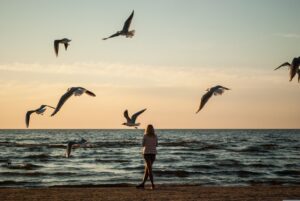
Slušam cvrčke

Nikad nisu bili toliko glasni

Zujanje u ušima

Čudni tonovi vode me u daljinu

U njihovom svijetu nastaje glazba

Zapravo smo mi maleni

Neprilagođeni

Bukom rušimo idilu

Sad nam vraćaju

“Čuj nas”, viču sve glasnije

“I mi smo potrebni”

Neke stvari još uvijek ne možemo kupiti

Neke stvari još uvijek treba doživjeti

Zašto zaboravljamo neke stvari?

Poet: Tina Gmajnić

MENTALNO BOLEST U LITERARNOJ UMJETNOSTI

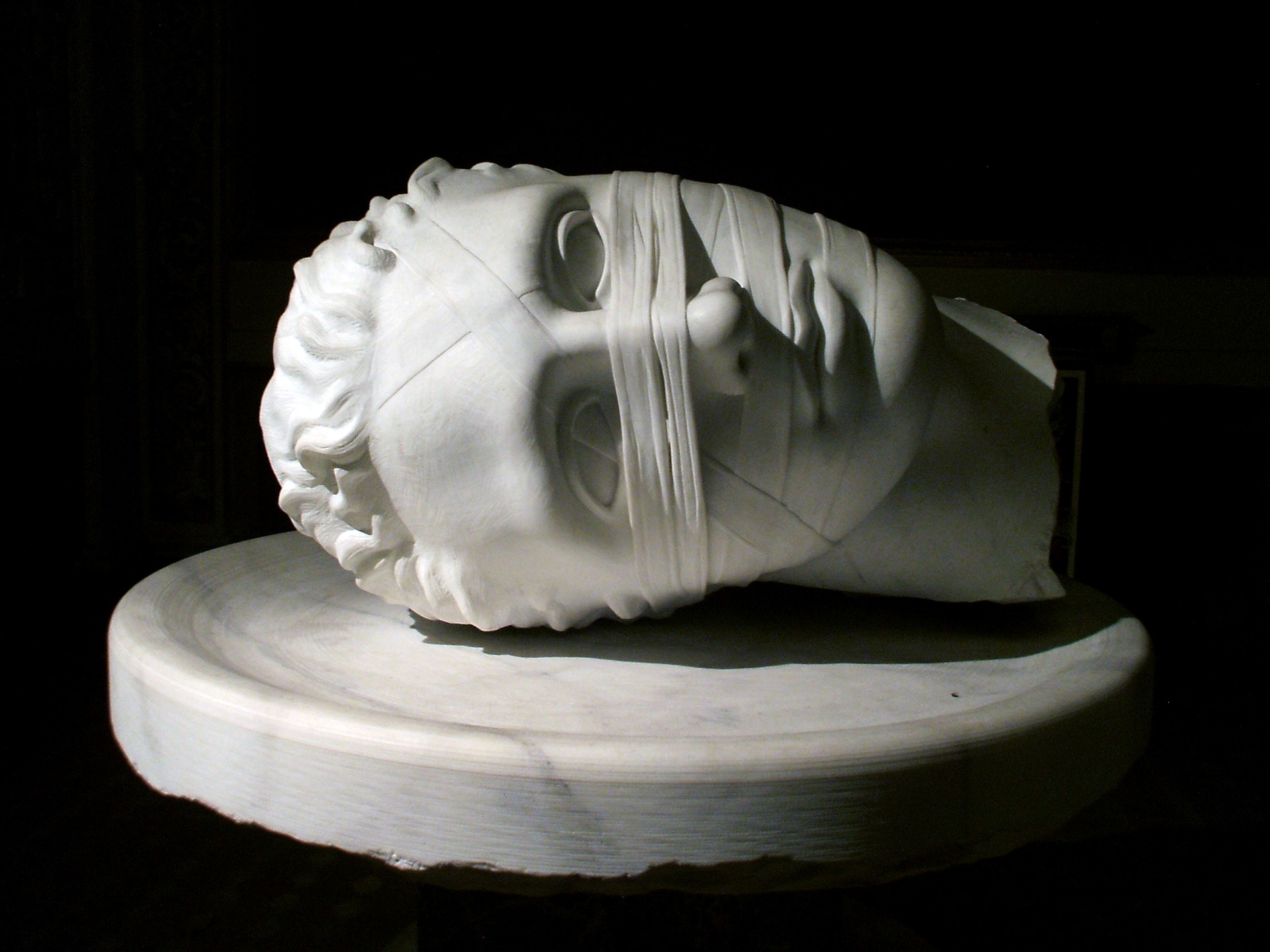
Umjetnost i slabo mentalno zdravlje često idu pod ruku te se još češće mentalna bolest umjetnicima nađe kao velika muza. Štoviše, konekcija između literarnih umjetnika i mentalnih bolesti još je veća.

Dok ne nužno cementiran, stereotip ‘mučenog, tužnog’ umjetnika jest jedan kojim gledamo na umjetnike već stoljećima, bez kraja u vidiku, datirajući još od 4. st.pr.Kr. kada je Platon prvo izrekao kako je poezija od ‘božanskog ludila’. Sve uz mnogo povoda: razlozi za ovakvo razmišljanje su mnogi. 

Osim znanstvenih studija koji i dalje istražuju poveznicu između kreativnog genija i mentalne bolesti, otkrit ćete kako je vaš prosječan pisac najvjerojatnije u nekom stanju mentalne nestabilnosti te generalno nije neurotipična osoba. Mučen depresijom, socijalnom anksioznošću, bipolarnim poremećajem, psihozom te ostalim, on je, obično, solitarna osoba. 

Autorovo vrijeme u samoći omogućuje mu dugoročan period proveden u svrsi ekspresije svoje žalosti, koja često može biti pojačana manjkom novaca, sna i slično. Dok možemo priznati svaki od ovih indirektnih uzroka, i dalje stoji činjenica da je umjetnik vjerojatno duboko nesretna osoba te mi možda nikada nećemo biti svjesni točnog uzroka ove pojave. 

Smatran jednim od najboljih autora fikcije u modernom Japanu, Shuji Tsushima, kasnije preuzimajući književno ime Osamu Dazai, živi mučen lošim mentalnim zdravljem, adikcijom i afinitetom prema prostitutkama i samoubojstvu.  

Pokazujući još od ranih godina mnogo literarnog talenta, on odlazi na sveučilište gdje inicijalno stvari kreću dobro, sve do naglog samoubojstva njegovog najdražeg autora, Akutagawe Ryunosuke. Ovaj događaj Dazaiu uzrokuje neobjašnjivu bol i on počinje kolebati. U sljedećim godinama, povezan je s Japanskom Komunističkom Partijom, odbačen sa strane obitelji, i vjenčan. Konačno završava fakultet, no ne prije troje pokušaja samoubojstva, od kojih svi završavaju neuspjehom. Njegov život nastavlja morbidnim smjerom sve do posljednjeg i uspješnog pokušaja samoubojstva, prije kojeg uspijeva završiti svoj finalni i najpoznatiji roman: No Longer Human.

Iako se distancirajući od autobiografije, No Longer Human snosi značajne sličnosti života samog Osame. Priča Obe Yoze, ispričana kroz troje ‘dnevnika’ od kojih svaki biva mračniji od prethodnog, jedna je socijalne odvojenosti, anksioznosti i samoće. Prikazujući realistično iskustvo depresivca, Yozov osjećaj nečovječnosti u njemu je prisutan još od ranog djetinjstva te je kao takav raspršen kroz cijelu knjigu, preostajući tako do samog kraja. On nauči prikrivati svoje osjećaje u početku i tim povodom preuzima ulogu komičara te takvim ponašanjem odbija ostale od sumnje u njegovu psihičku stabilnost i svjetovni pogled a dobiva naklonost. Kroz život upušta se u destruktivno ponašanje, tražeći kroz njega način da se otereti svoje boli i, iako ne zamara one oko sebe svojim mukama, nikad ne izlazi iz tog kompleksa.

“I have always shook with fright before human beings. Unable as I was to feel the least particle of confidence in my ability to speak and act like a human being, I kept my solitary agonies locked in my breast. I kept my melancholy and my agitation hidden, careful lest any trace should be left exposed. I feigned an innocent optimism; I gradually perfected myself in the role of the farcical eccentric.” ― Osamu Dazai, No Longer Human

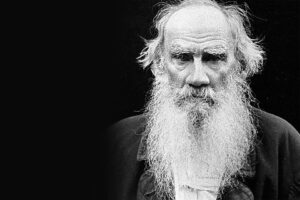
Vjerojatno svakome poznat, jedan od najvećih Ruskih pisaca u povijesti i autor dvoje remekdjela, Rat i Mir i Ana Karenjina, Leo Nikolajević Tolstoj u svojim pedesetim godinama pati spiritualnu i egzistencijalnu krizu te postaje depresivan. Iako imućan i uspješan u svojoj karijeri, Tolstoj počinje osjećati iznimnu melankoliju te njegov život postaje “ravan, i više nego ravan: mrtav”. Ovaj osjećaj u njemu budi određene uvide i on počinje propitkivati umjetnost, religiju i smisao života. Njegov problem nije izravno sa uobičajenim životom koliko je sa onim intelektualaca i umjetnika, kakvim je i sam oduvijek živio. Smatra da je živio pogrešno te da se mora promijeniti. U ovom razdoblju, on piše kratko autobiografsko djelo pod nazivom “Priznanje” u kojem istražuje osobno ultimativno filozofsko pitanje: Ako Bog ne postoji, a smrt je neizbježna, koji je smisao života? Djelo počinje bajkom koja metaforički prikazuje Tolstojeva iskustva i osjećaje. On zatim prema temeljnoj dilemi bajke opisuje četvero stavova: Neznanje – u ignoriranju činjenice smrti koja se svakome približava, život postaje podnošljiv. Njegov problem leži u njegovoj svijesti, on naime nije u stanju neznanja. Sljedeće Tolstoj opisuje kao Epikurejstvo: svjestan činjenice da je život kratkotrajan, čovjek može uživati u vremenu koje ima. Ovdje Tolstojev problem suštinski leži u moralnosti. U sljedećem izjavljuje kako bi intelektualno najiskreniji odgovor bio samoubojstvo. U pretpostavki da Bog ne postoji i smrt je neizbježna, čemu nastaviti život? On sam je za ovakav postupak, ipak, suviše kukavičan. Napokon, zbog toga što nije voljan niti je u stanju poduzeti mjere protiv svoga stanja, posljednja i opcija na koju se on odlučuje jest ta da nastavi životom “naprotiv njegove apsurdnosti”. U epilogu opisuje san koji doživljava nakon završetka djela te on stoji kao potvrda o njegovoj radikalnoj transformaciji.

“I asked: ‘What is the meaning of my life, beyond time, cause, and space?’ And I replied to quite another question: ‘What is the meaning of my life within time, cause, and space?’ With the result that, after long efforts of thought, the answer I reached was: ‘None’.” ― Leo Tolstoy, A Confession

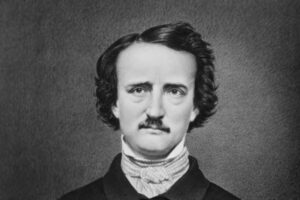
U kratkoj priči ‘The Tell Tale Heart’ Edgar Allan Poe na zanimljiv način opisuje ubojstvo koje počinjava čovjek u epizodi psihoze. Protagonist, čije ime ne saznajemo, pripovijeda u prvom licu, dajući priči dojam ‘Priznanja’. U samom početku on se obraća pitanjem: “Zašto mislite da sam lud? Ne vidite li da sam u potpunoj kontroli uma?”. Ipak, upućuje na bolest, opisujući kako su se njezinim povodom njegova osjetila, posebice sluh, pojačala, on čuje zvukove raja i pakla. Ovim agresivnim opravdanjem dobiva se inicijalan uvid u njegovo mentalno stanje. Tada se upoznaje njegova žrtva, starac s kojim živi u istoj zgradi, te on objašnjava kako protiv starca ne gaji nikakve negativne osjećaje, štoviše on ga voli, ne želi njegov novac već njegovo oko, koje ga smeta toliko da ga proglašava zlim. Ponovno poriče ideju mentalne nestabilnosti uvjeravajući kako osoba nezdravog razuma nije sposobna planiranja te elaborira svoj postupak. Predstojećeg tjedna, preko dana starcu iskazuje izričitu ljubaznost dok mu noću potajno ulazi u sobu i izuzetno tiho otvara vrata dovoljno da na njegovo oko položi zraku svjetlosti no, kako je oko uvijek zatvoreno, ne dobiva priliku za izvršavanje ubojstva. Prilika mu se napokon prikazuje osme noći i on uspješno izvršava zlodjelo. Skrivajući tijelo te, uvjeren je da je siguran,  svoje samopouzdanje nastavlja pokazivati i sljedeće jutro kada mu na vrata kuca policija čime započinje manipulativna igra, i naposljetku njegov mentalni slom. Ovaj događaj služi kao okidač rapidnog pogoršavanja njegovog stanja i iako ispočetka smiren i pouzdan, nedugo nakon postaje uzrujan te počinje agresivnim ponašanjem praviti buku u pokušaju da nadglasa unutrašnje zvukove, kada mu se učini da je jedini koji ih čuje. Ovu mogućnost ubrzo isključuje, donosi odluku da su zapravo oni ti koji se poigravaju njime te preplavljen senzacijama osjetila i psihološki iskrivljenim mislima puca i vičući priznaje zločin.

Često izdvojena i razvrstana od mentalnih bolesti, psihoza je poremećaj koji se pojavljuje u oblicima težeći od blažih prema jačim slučajevima i iako stigmatizirana činjenica je da mnogi njome pate te da se ona prikazuje na načine puno drugačije od onih na koje bi možda isprva pomislili, a isto vrijedi i za sve ostale oblike mentalnih poremećaja.

Writer: Stina Lončarević

“ART COLONY WAS A CREATIVE WAY OF EXPRESSING OF MENTAL HEALTH” 

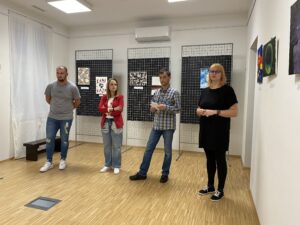
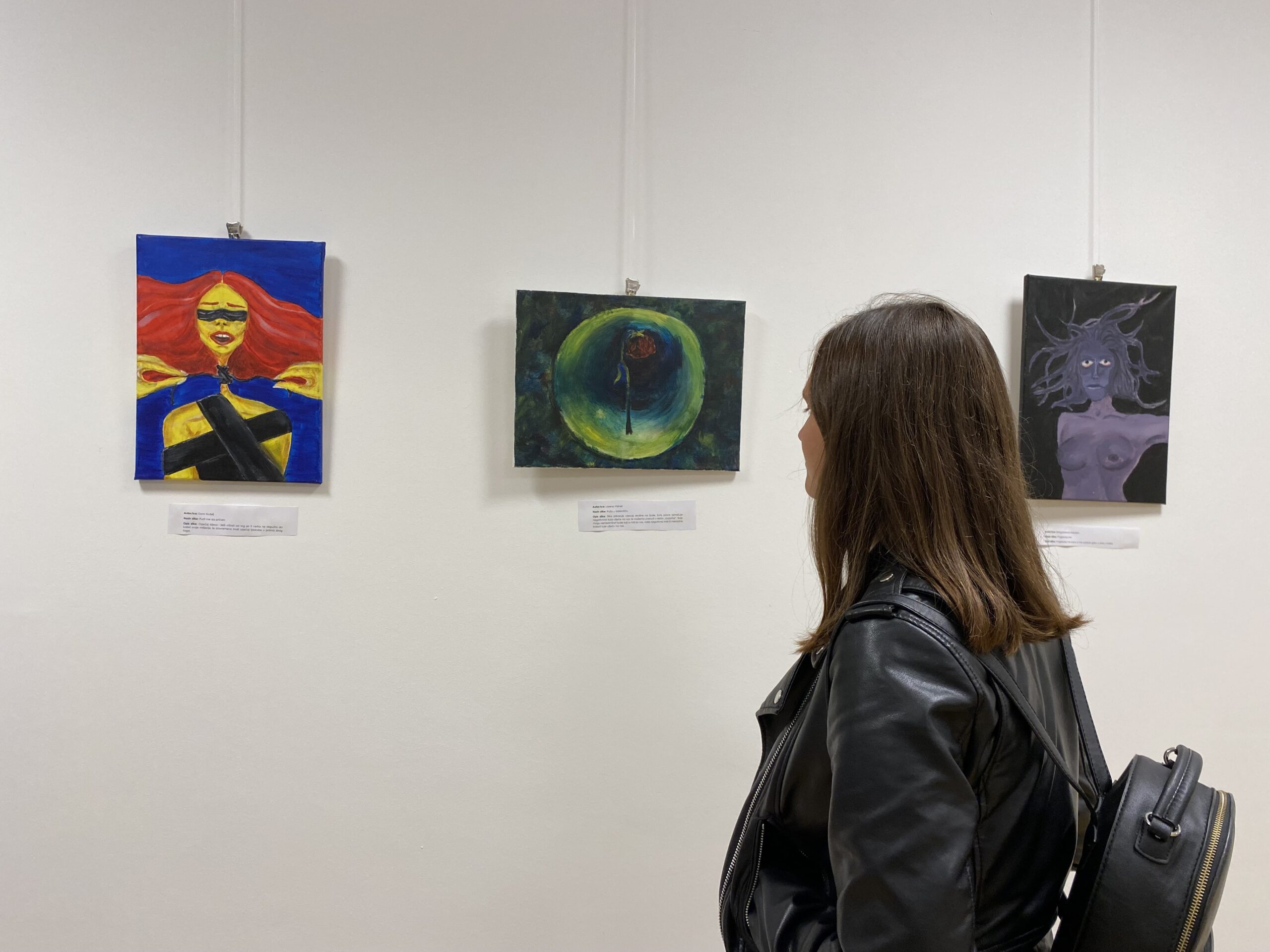
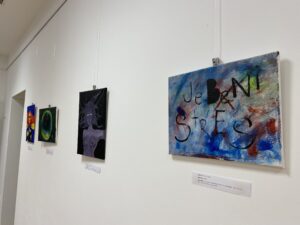
The exhibition of “Mental Health of Young People” was opened on 20th September 2022 in the Cultural and Tourist Information Center (KTIC) of Donja Stubica. Many people, especially young people, attended the opening of the exhibition.

This exhibition, organized by Mreža udruga Zagor, Stub-Klub Multimedia Center, Centar za mlade KZŽ, will remain open until 4th October. After Donja Stubica, the exhibition will move to Zabok. 

This exhibition is part of the “Art Colony of Mental Health” Workshop. The workshop was organized by Zagor on 2nd July at Picelj. Many young people participated in the workshop under the mentorship of Jana Đurđević and Marija Gebert and they made pictures about mental health. I talked with Marija Gebert about the exhibition and the importance of painting for our mental health.

  • Can you introduce yourself?

My name is Marija Gebert. I am a graphic and web designer. I finished school for art, design, graphic and clothes in Zabok. At the art colony on Picelj, I was one of the mentors supporting others in expressing their thoughts through art.

  • Why is this workshop important for young people? Can you tell why painting our mental health is important?

As I said, expressing our thoughts can be very useful, especially in the hard time that we currently live in. Young people are the most vulnerable group during hard times, and not giving them a chance to express themselves in various situations can lead to difficulties in their future life on the specter of mental illnesses like depression or anxiety. Expressing several emotions and mental states can be expressed in different ways such as art, music, theatre, writing, etc. Art colony was a creative way of expressing and sharing averseness of the importance of mental health. Painting can be figurative and abstract so it’s a great way to express a topic like this.

The topic was chosen by the Mreža udruga Zagor team. Working with young people they notice the importance of discussing mental health so I really liked the idea.

  • How did you feel after the workshop and exhibition? 

I was happy that all kinds of youngsters decided to join the art colony. It wasn’t the point to make a “perfect” painting but to express yourself so at the end of the day, you feel better and have a beautiful piece of art that in a specific way shows how you feel. The exhibition was an event in which we collected all the paintings made at the colony and share them with public so they can find inspiration in expressing themselves and see what is others point of the view of the same topic.

  • Did you get any feedback from young people about the workshop?

Yes, the feedback was great. Every young person, watching the exhibition or participating in the art colony shared a lot of different emotions. They also said that they didn’t know painting can affect you in a such positive way. 

  • Do you want to add something?

If you don’t like to paint, or you feel you are not able to express yourself via painting, you can always try expressing yourself through other types of art. As I already mentioned you can try music, writing, theatre or aromatherapy as a replacement. Just be aware to share your thoughts through some channels.  

Interview: Evin Arslan

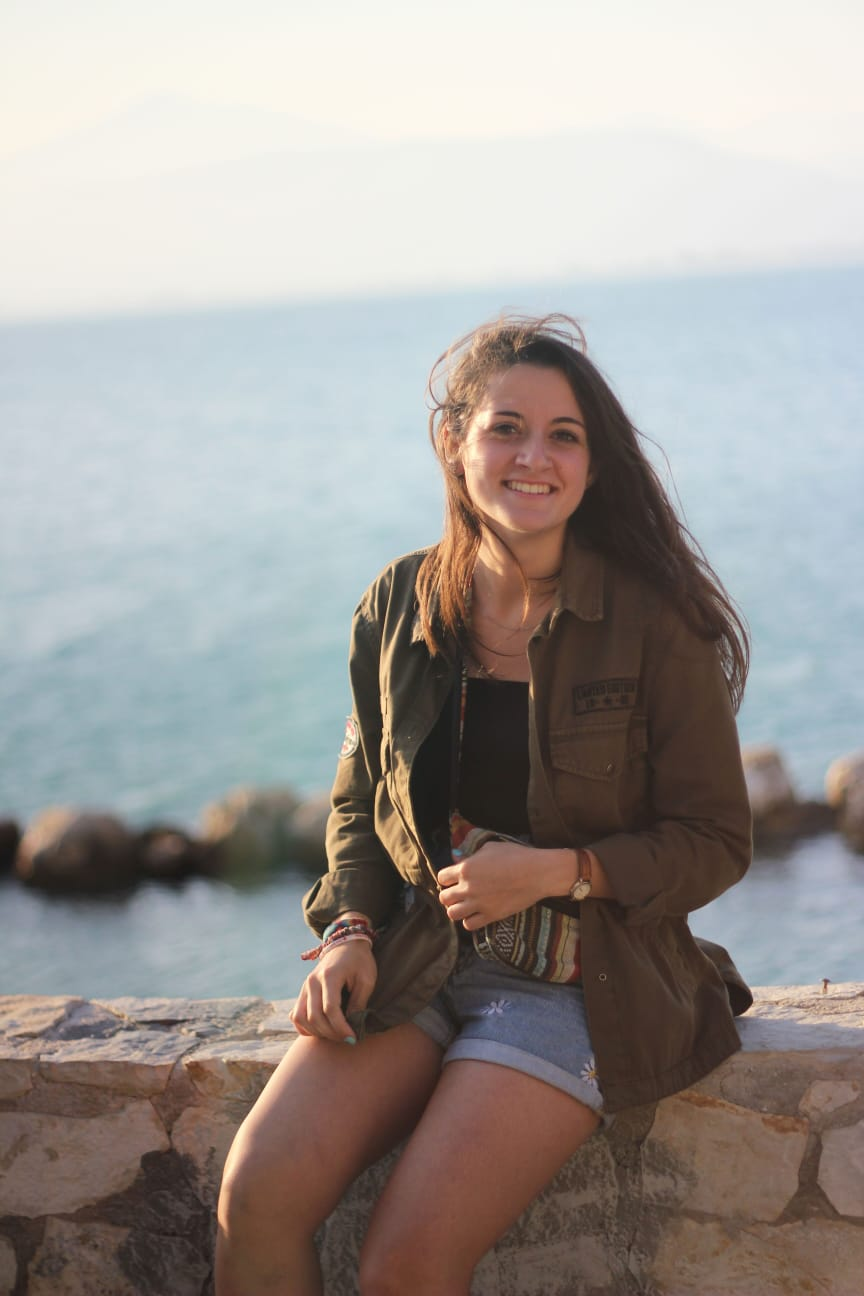
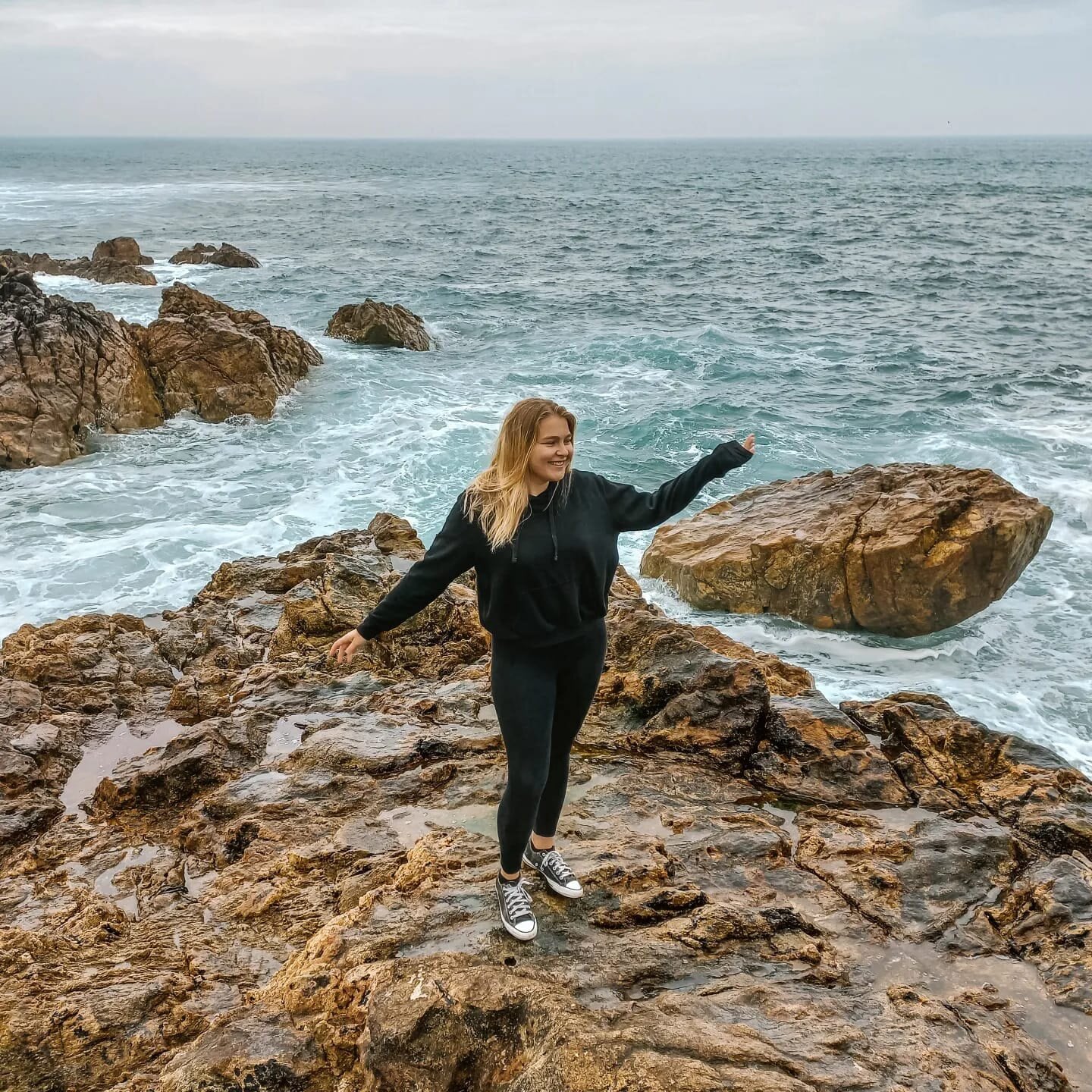
Photos: Evin Arslan

VOLUNTEERING AND BEING A STUDENT ABROAD

Turkey, Hungary, Croatia… Beyza Çeltik was a European Solidarity Corps Volunteer last year in Hungary and an Erasmus student in Croatia this year. 

She collected a lot of memories and experiences thanks to Erasmus and ESC. Çeltik says “ I gained experience in problem-solving, being practical, organizing events, being creative and leading.”

  • Can you introduce yourself?

I am Beyza and I am from Turkey. I grew up in Ankara. Ankara is the capital of Turkey. Located in the central part of Anatolia. I am studying Philosophy Group Teaching at Gazi University. 

  • How did you decide to study in this department?

First, I tried to study in the faculty of the agriculture department of Food Engineering but I could not like this department and I quit and focused on knowing myself. I like children; sharing ideas and communicating with people. I decided to study Philosophy Group Teaching at the Faculty of Education. I like writing, reading and thinking about ideas. One of the most substantial parts of my life is observing people, walking around the streets, walking and travelling constantly. Since children are the light of our future, it is one of my purposes to do something for them and to be a good teacher. Also, embarking on adventures and being a nomad are among my passions in life. Peace and balance are the base notions in my life and I try to put these notions into action.
  • How did you decide to join the ESC project? Can you talk about your application process?

I have been an active volunteer in social clubs at the university for years. Green Crescent, the social club I was most active in, was doing projects. I also would like to go to the Project Coordination Implementation and Research Center at my university and get information. I learned that there are volunteering projects within the scope of Erasmus+, and our university is one of the sending organizations. Also, the GaziEurodesk team has been constituted to announce ESC projects to more people, to write projects and improve their sustainability. I followed the application time; sent my CV and motivation letter for long-term projects, as they should be. I took into account that the institution and project I chose were suitable for me and I was entitled to go. As a country, my alternatives were Italy, Hungary, Portugal, Spain, and Greece. I chose Hungary after considering the contribution of the project in terms of my profession and development and considering its economic suitability. By the way, the allowance and travel fee covered by the project were effective in my decision, otherwise, I would not have had the chance to go financially.

  •  When did you start your service?

I started the project in April 2021 and until October 2021.

SUMMER CAMPS, EVENTS, FESTIVALS…

  • What did you do as an ESC volunteer in Hungary?

I worked at Compass Egyesület which is a non-profit organization youth center which organizes different events, and activities for every age range. Compass Egyesület is located in Kaposvar, a city with county rights in the southwestern part of Hungary, south of Lake Balaton. I have participated in and organized different kinds of organisations, events and activities, like a summer camp preparation and process, half marathon, consumer rights, language club, bike competition, mother shelter event, civil day events, and festivals. We organized a summer camp for children and it was very precious for me. 

  • Have you faced any challenges during volunteering?

Yes, in terms of language, and also we had to struggle to live as a community in house and to be a good team in the organisation we work in. If we can not be a good team in this process, the distribution of tasks, communication and effectiveness in our work will be interrupted. We made an effort on this. I tried to participate in every activity to improve my English skills which required time management and competence in many subjects. 

  • What experiences did you gain during the project?

In this project process, how to communicate effectively with my president in my host organization, coordinator, mentor, teammates and the organisations we work with, how to distribute tasks, how to use technology effectively, event preparation stages, time management, taking initiative, being able to overcome my excitement in front of the community, crisis management, I gained experience in problem-solving, being practical, organizing events, being creative and leading.
UNFORGETTABLE MEMORIES

  • Did you like Hungary? Which places do you suggest visiting in Hungary? 

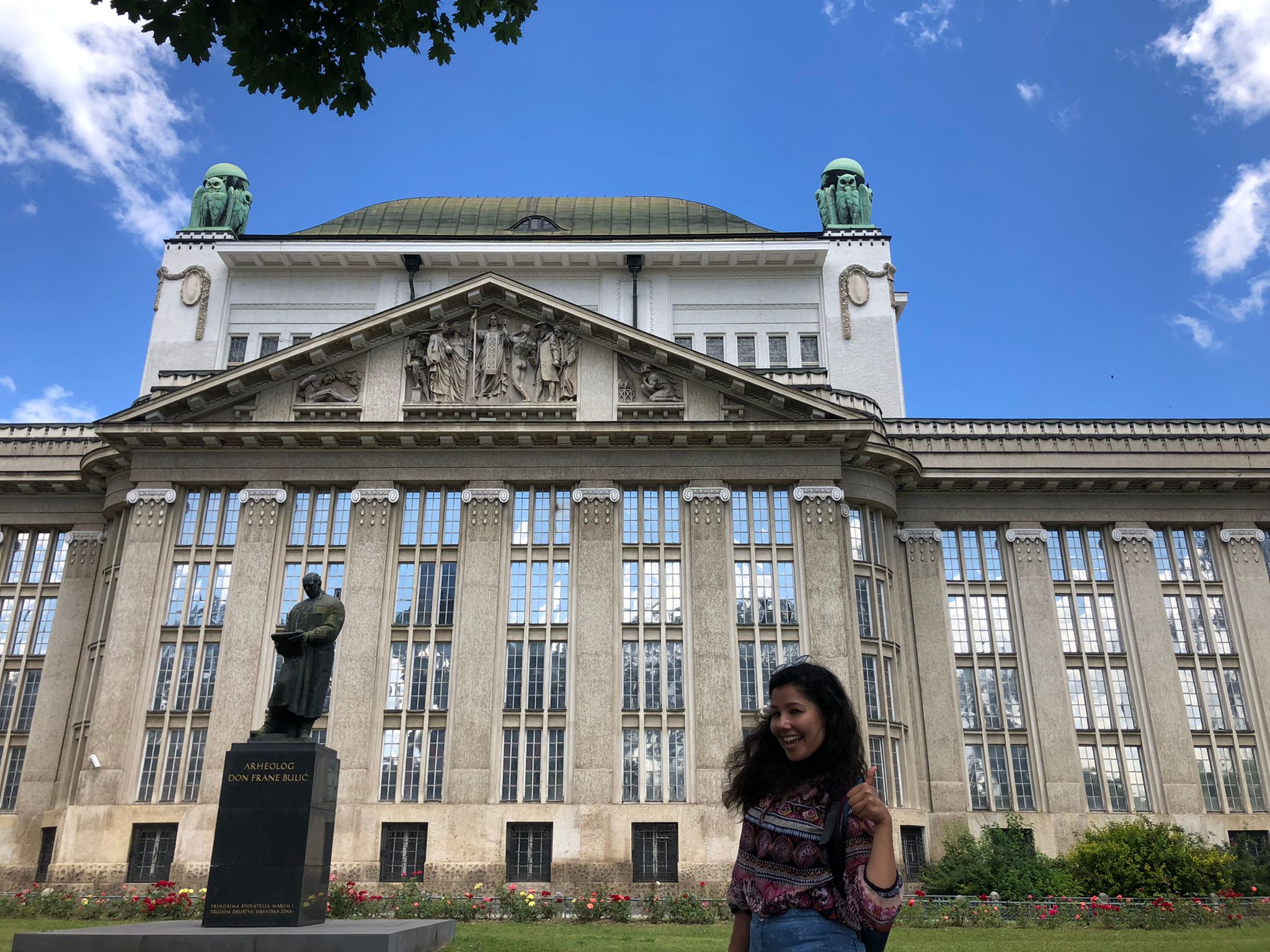
Yes, of course! Hungary is an amazing country for me. Budapest has a special place and is fascinating to the cities I have seen. Whoever asks the question ”What’s your favourite city?” my answer was always Budapest city 🙂 You could visit these places in Budapest; Hungarian Parliament Building, Fisherman’s Bastion, Matthias Church, Buda Castle, St. Stephen’s Basilica, Heroes’ Square, and Gellert Hill. When you go to Hungary also you should visit Esztergom a city with county rights in northern Hungary and for sure you should visit Balaton the largest lake in Central Europe. Also the other city Pécs (The University of Pécs is the oldest university in Hungary and is among the first European universities. Szigetvár, Fonyód, Siófok, Keszthely cities I could recommend for you.

  • Can you tell us an unforgettable moment you had during the project?

We had a mentor from America who was about 80 years old. She was such a kind-hearted, energetic and lively woman. Usually, she invited us to her house, listened to our nuisances, played games with us in English, prepared various meals, and always we felt at home. When my project day was finished, I had a train at 6 am on the day. She made cookies for me and came to see me off at the train station at half past 5 in the morning. And all my other friends who were volunteers did not sleep until the morning and came to the train station to see me off. It was a very precious and emotional, unforgettable moment for me.

“PARTICIPATE IN ALL ACTIVITIES AS MUCH AS POSSIBLE, LEARN THE LANGUAGE AND BE CURIOUS”

  • What would you recommend for those who want to apply for the ESC project? 

They should research the country they are going to go to beforehand, know whether it is proper for them or not and whether it is ready for its economic conditions. They should also investigate whether the duration of the project is appropriate in terms of their professionality and development. I suggest that they learn about the organisation to go to. I could say that it is the essential motivation and team spirit for volunteering. I would recommend they have a sense of duty and implement their projects wherever they go. I could tell them to participate in all activities as much as possible and to discover other countries starting from the country they live in. I recommend them to learn the language of the country they live in, even if it is at a basic level, and to be curious. If they are solution-oriented in the face of problems, they will gain a very effective and instructive experience from the project.

  • Also, I want to talk about Erasmus. How was your Erasmus journey?

This was one of my dreams – to experience Erasmus+ Exchange and to learn about the education system of a different country. The tutorial was a very nice, sometimes tough and valuable adventure for me, where I saw how I could proceed in the face of tough situations, make my own decisions, and experience what language learning brings. Having friends from different cultures, being able to get to know that culture from them, and being able to communicate without discrimination of language, religion or race as you spend quality time together widen one’s viewpoint. I am very fortunate to have had the opportunity to experience this. I was able to explore Europe and the Balkans whenever I found an opportunity and time. I walked its streets from different countries and cities with my friend who was my comrade and was able to see the difficult and enjoyable aspects of being on the road. Traveling is an indispensable part of my life. Since I studied philosophy group teaching, the most enjoyable moments that will contribute to the field of philosophy, sociology and psychology are the moments of discovery. It is indelible, stories collected in this way.

  • What did you gain during the Erasmus?

You could see how you should manage your time with the scholarship given to you for a while. In this process, I learned how to balance and manage my time, education and study process, language improvement skill, social life, dorm life, eating and drinking habits, and economic level. Since I stayed in the dormitory, I had friends there, with whom I could share my nuisance in tough times, and quality friendships were one of my most valuable gains. Being curious about the language, having a broad perspective, getting to know people from different cultures, being able to exchange ideas, enriching my social life with activities and of course studying regularly were among my gains. I have witnessed this as it is always said that language opens many doors. I saw what could change as I improved myself, especially due to my language problem early on.
  • Did you like Croatia? How were your Croatia experiences?

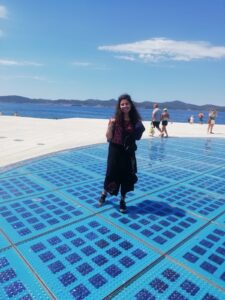
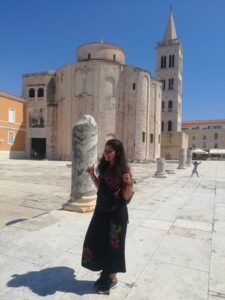
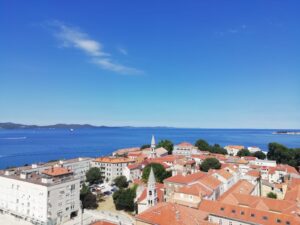
Croatia is enchanting with its nature, and I feel like my second country, which remains a pretty and colourful country in my heart and mind. Zagreb was quite calm with a population of about 770.000, and it was amazing and relaxing for me with an underpopulation. It has become a city that enthralled my heart with its cultural richness, parks, museums, cafe culture, cultural richness, nature and people. I could say that people’s fluent English speaking, kindness and helpfulness towards foreigners will make it easier for you to like and adapt to Zagreb. There are also some common words in Croatian and Turkish language (like a böbrek, boya, džezva, maymun) Turkish TV series was also quite famous there.

I studied Unıversity of Zagreb, Faculty of Philosophy and Religious Studies. Sveučilište u Zagrebu has many different faculties expanded throughout the city, most of them in the city center. The good thing I could say about this Faculty is that it feels like family, everyone knows each other and professors communicate very well with students. I didn’t have a hard time fitting in because of such a sincere atmosphere. My professors and my colleagues were very helpful. I was so lucky. 

  • What are the differences between Erasmus and the European Solidarity Corps for you?

I can say that they offer quite different experiences from each other. When you go for education, your time varies according to your studying and professors. When you volunteer, holidays are limited. This affects your social life, the activities you attend, your language development, and your travel. There is also a conceptual difference between being a student and being a volunteer, which affects your environment. The opportunities offered as a student are more, especially in terms of taking advantage of discounts 🙂

You could get to know and improve yourself on both sides, but with the difference in method and possibilities. I recommend everyone to have these experiences.

Interview: Evin Arslan

YOUTH MENTAL HEALTH

Life is a journey and each moment is a new experience for us. These moments can be cheerful sometimes, yet sometimes we might have difficulties to handle, but it is totally okay, we are made of emotions. Since birth, we discover emotions. All the time we grow up, we begin to define them. Especially in adolescence, we go through many emotions and feelings.

Adolescence is a memorable period in which we receive a lot of changes, both physically and mentally. Our characteristic properties are formed during this period, and we tend to build interpersonal and social relationships. In addition to that, we tend to create emotional relationships. These relationships also might be an image of separation from the family and heading forward to become an independent individual. 

Adolescence is an amazing period of life. However, it is also a tempestuous period. It does not mean that each adolescent has to experience it likewise. Some overpass it quite while others experience it louder. As well as our character, we also recognise our identity. We prepare ourselves for the future, and we take decisions in terms of profession and career, such as the professions we would choose. This decision period would also clarify our future. In other words, it appoints the school you would study at. All these levels give us a task of responsibility. Except for the decisions about professional life, we also develop moral and ethical understanding. We try to find what our values are in life. From this aspect, we tend to incur responsibilities to become a part of society because we need to prove ourselves. 

On the other hand, adolescence is a crucial period for developing social and emotional habits that are important for mental well-being. It is significant to be supported by a social environment and family during this time. As well as keeping our physical health good, we should consider our mental health. Especially during this period, multiple factors may affect our mental health. Such as;

  • Increased stress, fear, and anxiety.
  • Parental depression.
  • Negative family environment (may include parental substance abuse)
  • Child mistreatment or abuse by parents.
  • Family conflict.
  • Loss of school, sport, church, community routine.
  • Loss of supportive relationships with friends, extended family members, mentors.

The most common mental issues in adolescents are anxiety, mood, attention, and behavior disorders. Suicide is the second leading cause of death in young people aged 15–24 years (1). While we deal with this problems, we also develop a mechanism to cope with them.  We develop coping, problem-solving, and interpersonal skills; and learning to manage emotions. During this period it would be helpful to receive a professional help or talk to the parents. It is crucial to define the cause, and take precaucios to prevent it as quicker as it possible. If there is no access to a professional help or if you think you cannot create a health communication or receiving a parental support, there are always associations, school counselors and call center for asking for support.

According to the data of UNICEF,  In 2019, it was estimated that one in seven adolescents experience mental disorders. This amounts to an estimated 166 million adolescents (89 million boys and 77 million girls) boys and girls globally. (2)

How can we define and how can we cope with it?

Firstly, it is crucial to define the emotion and understand what causes it. If not, ask for support. Report it to the parents, teachers or school counsellor, if being exposed to sexual abuse, cyber/bullying, peer victimisation, violence etc. 

Secondly, If you are having an emotional rollercoaster, you might try one of those;

Write down your thoughts: Writing might be helpful for self-reflection. 

Take a walk in nature: sometimes being alone and shutting down all the voices around might give you a clear idea. However, It does not mean that you should not take advice from others. It just helps you to pull yourself back and observe your thoughts. 

Mandala: Drawing or colouring a mandala can help you to focus better and increase observation of your thoughts. 

Spending time with friends: Sharing is caring! You can always talk to your friends and get a different point of view. 

Meditation: As well as a mandala, meditation can help you to focus and listen to your inner voice. Also, it can keep you at the moment. So you would not have to run after your thoughts. You can just observe them.

Reading: Reading can give you different points of view. As you expand your knowledge, you can also find something in common with the main character in the book. 

Social media detox: When used properly, social media can be a very useful tool. However, it might affect our mental health. Sometimes it would be better to just turn it off and relax.

Exercise: Doing exercise regularly has a lot of benefits. It helps you to gain your self-confidence, also helps you to focus and makes you a more disciplined person. A healthy mind needs a healthy body!

In conclusion, having literacy in defining emotions is crucial. Also, knowing that negative emotions are as normal as positive emotions. The more you suppress your feelings, the more you will burst out. Define your emotions to prevent possible mental issues. Especially during adolescence, when we are receiving a lot of emotions and experiencing them might not always be easy for everyone to handle alone. Do not hesitate to ask for help. You are not alone in this journey.

(1) Liu L, Villavicencio F, Yeung D et al. National, regional, and global causes of mortality in 5-19-year-olds from 2000 to 2019: a systematic analysis. Lancet Glob Health 2022;10:e337-47.

(2) https://data.unicef.org/topic/child-health/mental-health/

Writer: Erkin Duman

AER SUMMER ACADEMY 2022

It is important for all politically active young people and regional politicians to share their own specific experiences and promote their counties at the international level. 

For them, AER – Assembly of European Regions organized a Summer Academy in Donegal, Ireland, from August 29 to September 1.

Around 150 young people and politicians shared positive outcomes from their counties, encouraged interregional cooperation and discussed how to improve relations between young politicians and adults.

Hrvoje Debeljak and Mihaela Visinski, members of the Youth Council Krapina Zagorje, represented Krapina Zagorje County at this year’s Summer Academy.

Údarás – AER, Gteic Gweedore. Photo Clive Wasson

One of the main panel discussions dealt with the treatment of Ukrainian refugees. Participants from the Romanian county of Maramures, which is close to the Ukrainian border, shared their experiences. Hundreds of refugees arrive there every day and it is important to take care of them and find a shelter. In addition to being provided with food and hygiene items, each refugee receives a mobile phone with Internet connection so they can stay in touch with their family and the current situation in Ukraine.

The European Union has launched the “Enter to Transform” program for refugees. The program allows refugees to open their own businesses and is very popular in Ireland, where the topic of the Irish ecosystem is number one. AER also presented the “Eurodyssey” platform, which allows young people to do internships abroad. The platform helped many young people to improve their professional skills and then find a job easier. Currently, Šibenik-Knin County and the City of Varaždin are part of the Eurodyssey Forum from Croatia.

Participants from Nordland County in Norway held a workshop on their youth program. After noticing that many young people from their county had moved to bigger cities, they started to communicate with the youth. The goal is to be inventive and communicate with local communities. Local companies also participated in the project.

An important part of the project was social networks. The campaign includes a lot of fun content and memes to engage young people. After a few years of research and the involvement of the regional bank in the project, which provided financial, the companies offered more jobs to youth, who now live more frequently in villages and small towns.

Participants from Vojvodina County in Serbia, which hosted the AER Summer Academy 2019, held one of the workshops. They shared their experiences of organizing such events and encouraged others to host some of the further editions of the Academy. At the end of the Academy, instead of the planned speeches of regional politicians about the results of all workshops, the young people had the opportunity to speak. We answered questions about future changes in the Academy program, what we liked the most, but also the least, what we learned and what innovations we want to propose in our counties after the Academy.

In addition to the workshops, we had the opportunity to visit Londonderry, a city in Northern Ireland and Glenveagh National Park – the second largest national park in Ireland with 16,000 hectares of mountains, marshes, lakes, forests and the castle built in 1870. We also visited the digital hub “gteic Gaoth Dobhair”.

During the farewell evening, the hosts showed us their traditional Irish music and dance. We enjoyed Irish stepdance and the concert of Mairead Ni Maonaigh, an Irish fiddler and vocalist.

Author: Hrvoje Debeljak

RUJANSKA DOGAĐANJA U KRAPINSKO-ZAGORSKOJ ŽUPANIJI

RUJANSKA DOGAĐANJA U KRAPINSKO-ZAGORSKOJ ŽUPANIJI

02.09.2022. – The Old Rock Bar Zabok – Boris Rogoznica

Nakon niza koncerata i vrhunskih gaža na Jadranu – u The Old Rock Bar Zabok dolazi BORIS ROGOZNICA.

Uživat ćete u ugodnoj atmosferi i LIVE izvedbi vlastitih hit singlova ali i obrada poznatih domaćih i stranih hitova. 

Vidimo se u petak 02.09.2022. od 21 h u The Old Rock Baru.

2 – 03.09.2022. – Bedekovčina – BEDEX JAM

Dragi svi, došlo je vrijeme da Bedekovčanskim jezerima ovladaju žestoki zvukovi!

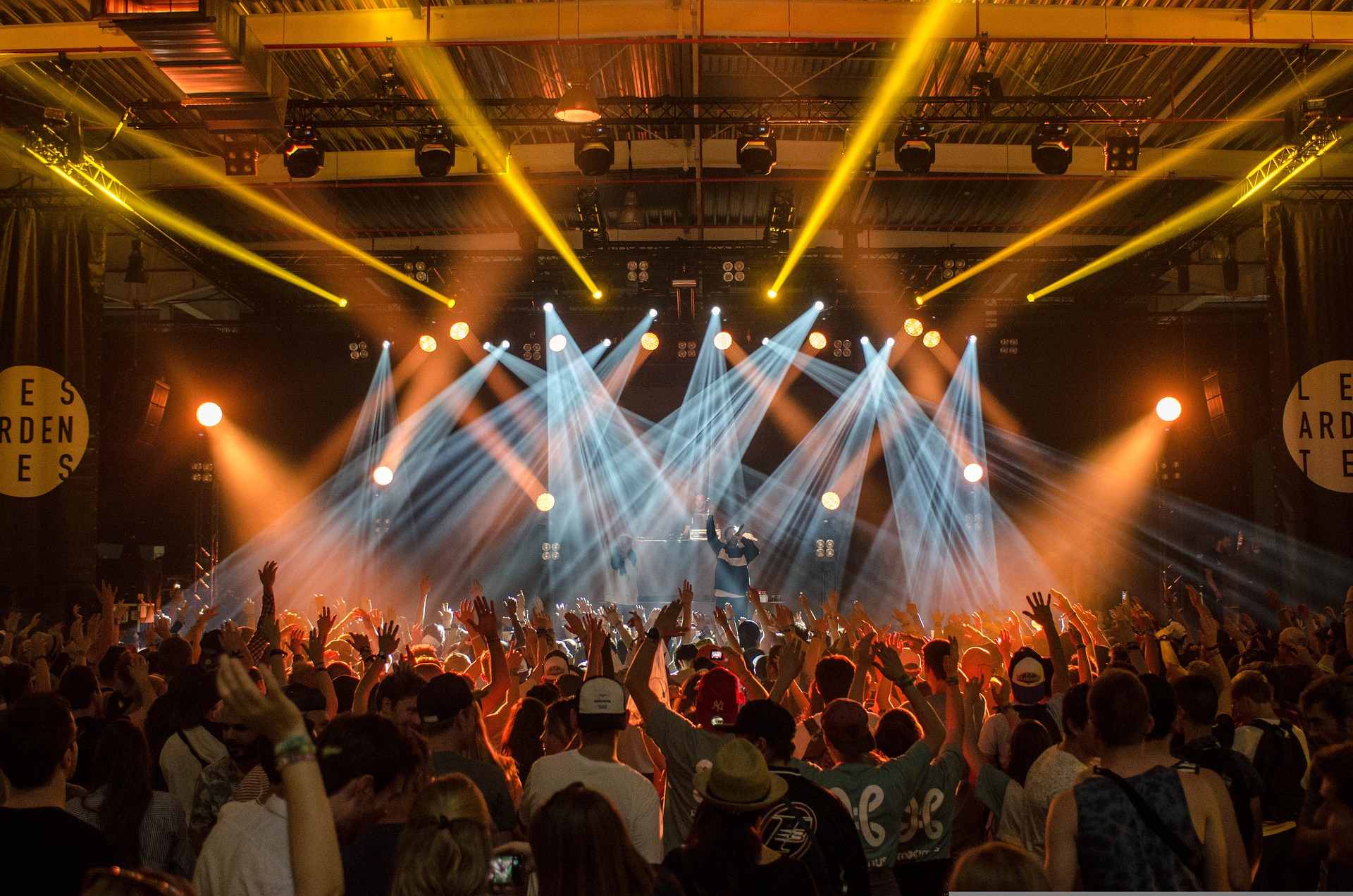
Ove godine čekaju nas čak 2 dana glazbenog hedoniziranja koje će vam omogućiti: Đutko i plodovi zemlje, Crna GRupa, Duelist, Kranks, Leftovers, Hremastavci, Pizdoper, Srna udovica, Raštimani Hasi i Dead City 5!

P.S. u slučaju kiše, događaj se NE OTKAZUJE – samo se selimo u suh prostor restorana!

1 – 04.09.2022. – Klanjec, Desinić, Zabok i Kumrovec – ZVUCI Z BREGA

Glazbeno-umjetnička rezidencija u zagorju

gosti rezidencije: Haralda i Yvonne Hofmeister & prijatelji

Termini i lokacije:

Četvrtak, 1.9. u 18 h – Staza kroz krošnje (Spomenik Lijepoj našoj, Klanjec)

Petak, 2.9. u 19 h – Dvorište pored Polanovića, Zabok

Subota, 3.9.

– 11 h Spomen dom Kumrovec

– 13 h Dvorac Veliki Tabor

– 16:40 h Kuća Đure Prejca, Desinić

Nedjelja, 4.9. u 11 h – Kuća Klajn, Klanjec

03.08.2022. – Hum na Sutli – After summer minglanje: „Ka si že t’?

Tri humske udruge udružile su snage i organiziraju bogat program za djecu i odrasle – 3. rujna 2022. od 18 sati.

Akademska slikarica Maja Vukina Bogović pobrinut će se za oslikavanje dječjih lica, a odrasle će naučiti osnove tehnike slikanja vinom. Djeca će se moći zabaviti i uz napuhance i tetovaže, a frizure će im izraditi Dunja Pavlić Majerić. Sve navedene aktivnosti su besplatne.

Bit će tu i tombola s vrijednim nagradama te bogata gastro ponuda.

Od 20 sati pa sve do ponoći zabavljat će nas pop-rock duo Hands&Voice. 

Udruga „Mala sredina“, Udruga žena „Humsko srce“ i „Humska udruga mladih“ vas pitaju „Ka si že t’?

09.09.2022. – Gornja Stubica – 25. SUSRETI ZA RUDIJA – PRLJAVO KAZALIŠTE

Kultni hrvatski band PRLJAVO KAZALIŠTE na jedinstvenoj pozornici kod Spomenika Seljačkoj buni i Matiji Gupcu u Gornjoj Stubici održati će koncert za pamćenje ususret manifestaciji 25. SUSRETA ZA RUDIJA.

Ulaznice za koncert su dostupne na prodajnim mjestima (KTIC, Dvorac Oršić, Terme Jezerčica) te putem online sustava ENTRIO (pretprodaja 70,00 kn, a na dan koncerta 90,00 kn)

03.09.2022. – Krčma Polanović Zabok – HGF 26 Koncert: SARA RENAR

Nakon što je Sara prošle godine prizvala kišu, molimo je da to napravi i ove godine ali ne u subotu 03.09. iznad Zaboka

03.09.2022. / 21:00 / Krčma Polanović / Zabok / upad free

Rezervacije: 049-223-540 ili inbox na Krčma Polanović w. Huncutarije ili huncut.zabok@gmail.com

Rezervacije za koncerte se čuvaju do 20:00 h !!

U slučaju kiše koncert se NE odgađa !!

14.09.2022. – Punkt beer house – Željko Pervan Stand up show

ŽELJKO PERVAN dolazi u Punkt u srijedu 14.9.2022. U 20 sati!

Ulaznice su u prodaji po cijeni od 60 kn na šanku restorana ili putem sustava www.entrio.hr.

NAKON KUPNJE POTREBNA REZERVACIJA STOLA!

25.09.2022. – Krčma Polanović – Zabočki brzopleti šahovski turnir

Najavljujemo PRVI Zabočki brzopleti šahovski turnir! Turnir će se održati 25. rujna s početkom od 10:00 h – u prostorima Caffe bara Polanović u Zaboku. 

Prijave za turnir:

1.) u inbox na FB događaju

2.) u Krčmi Polanović u Zaboku

3.) na telefon 098 396 352

PRAVO SUDJELOVANJA

Sudjelovati mogu SVI, bez obzira na dob, spol ili državljanstvo. 

*JEDINI UVJET

Ne mogu nastupiti aktivni igrači, članovi šahovskih klubova. Ne može nastupiti nitko tko je ikada osvojio bilo kakve službene bodove, makar i na općinskom prvenstvu

  1.  i 17.09.2022. – Marija Bistrica – FestivaLac

Za vas smo pripremili specijalni glazbeno/zabavni vikend u kojemu će nastupiti dva izvanredna benda, ‘NI 5 NI 6’ (16.09.) i ‘Putnici’ (17.09.), a uz njih će atmosferu začiniti ‘DJ David B’.

24.09.2022. – Marija Bistrica – Trail za dušu i tijele Mirko Fulir

Start i cilj: ispod Bistričke kalvarije

Dužina staze: duža staza: 12.2 km / Vremenski limit 150 minuta; kraća staza: 5.7 km/ Vremenski limit 100 minuta

Kotizacija: trkači: 50,00 kuna; šetači: 20,00 kuna

Za svakog sudionika osiguran ručak i piće na cilju. Prijave najkasnije do 20.09.2022.

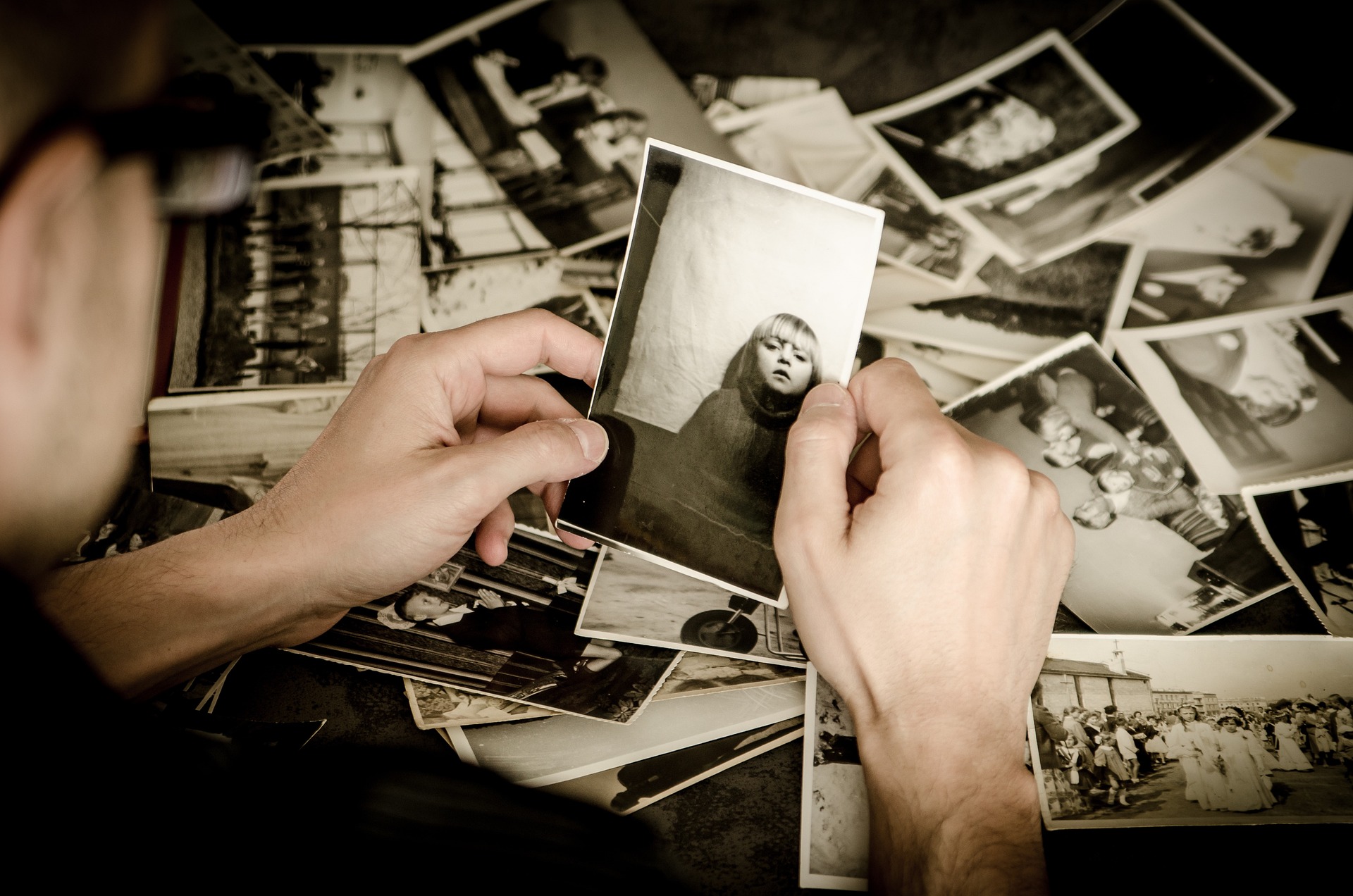
MOJA PRIČA O FOTOGRAFIJI

Već duže vrijeme igram jednu svoju igru s vremenom i svime što me okružuje. Naime, jako volim fotografirati i objektivom „zamrznuti“ neki detalj u prirodi ili neki trenutak. Mogla bih po cijele dane „loviti“ te detalje, ali to je nemoguće (ipak sam srednjoškolka s brojnim obavezama). Zato, kad me uhvati želja za fotografiranjem, uzmem fotić i pomislim: „Hmm, baš me zanima koji će me to detalj u prirodi danas izazvati da baš njega uhvatim…“ To je ta moja igra…

U njoj modeli spontano poziraju, kao ove moje kokice ili mala bijela patkica…

Uvijek me zadivi savršenstvo i sklad prirode… Poput kapljica vode na listovima nježnog dragoljuba…

Ili dinamika jedne male grančice bora…

Uživam u snazi moćne prirode i ljepoti jednog vala… 

U nježnosti boja i mekoći u kojoj netko uživa… 

Neki prizori u prirodi su toliko ljekoviti da te u trenutku osvijeste i pomognu u rješavanju nekog problema. Tako sam ja doživjela prizor neba u vodi… Čak i gledajući prema dolje, nebo te podsjeti da je tu Netko od koga možeš potražiti pomoć, samo podigni glavu prema gore! 

Volim fotografiju svog brata kojeg sam „oslikala“ i fotografirala. Na jednom natječaju tema je bila „vrijeme“ pa sam iskoristila ovu fotografiju uz rečenicu: „Premaz bojama ili istina u oku… vrijeme će pokazati“. 

Sve u svemu, ovaj aparatić je moja velika ljubav…

Imam mnogo fotografija koje možda i nisu nešto posebno, ali meni svaka od njih mnogo znači i priča neku svoju priču.

Između opcija „boravak na društvenim mrežama“ i „boravak u prirodi“, uvijek ću radije odabrati ovu drugu. S fotićem u ruci, naravno! 

Author: Jana Šalec

Fotografije: Jana Šalec